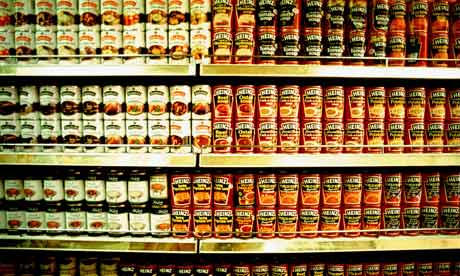
There is a lot to say about genetically modified organisms (GMOs), especially when it comes to eating a GM food product. Most people that do a little research find themselves opposing the use of GM foods, while others believe they increase the nutritional value and production of the food...and that it will help solve the world's hunger problem. As you might already know, I fall into the first category. I think that as a human being, I have the right to make an informed choice about what I buy and what I put inside me. Whether or not GMOs are safe to eat, I am not interested in supporting that industry. One of the most impactful things I can do right now is to speak with my choices...and my dollars. And if I'm not even given the opportunity to do so with GMOs, that really makes me mad.

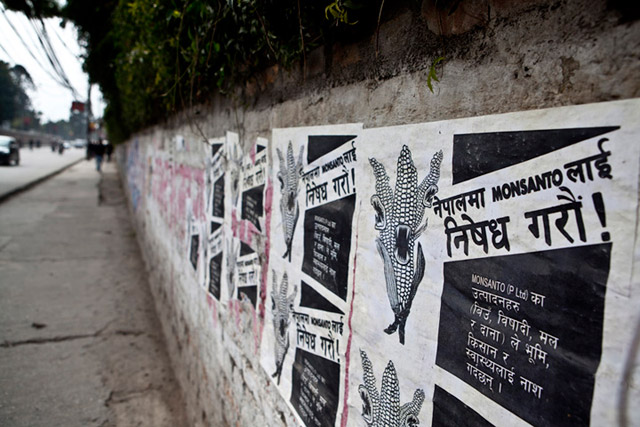
To me, this has become much more a political issue than a health issue. I really don't care anymore if GMOs are safe. Maybe they are. That would be good news, because we all eat GMOs, sometimes daily, and usually without realizing it. But when you learn what this industry and its poster child, Monsanto, is doing to farmers around the world, you begin to realize that the negative effect of GMOs is already realized, and that damnit, I want to be able to do something about it. You'll also realize that world hunger is a product of misplaced and abused power, not lack of food. And you'll probably want to speak out about that, too.
If you are interested in spending 47 minutes following chef John Bishop on an adventure into GMOs, watch
Deconstructing Supper, which is available to stream on Netflix. It's short, it's very level-headed, it doesn't rely on sensationalism, and the filmmaker, Marianne Kaplan, does a great job of trying to get as much information as she can from the side that supports GM foods as well as the side that doesn't support them. Ultimately, the filmmaker and Mr. Bishop end up on the side not supporting it, but I feel like anyone wanting to know more about this issue will be educated enough to decide how they want to proceed. I believe it gives you the necessary springboard for your future education on this issue.
I see my own actions following this flow:
- Grow my own food. I am actively looking for a house for the first time so that I can grow a lot of my own produce in my own back yard. I'll likely be hiring Dani of Yard to Table Gardens in Austin to help me get my garden going successfully.
- When I can't grow something (usually meats and eggs), go to the farmers markets. These central Texas farmers only use sustainable practices and would never knowingly grow GMOs. Supporting them is important to me, and it's also a big F you to Monsanto.
- When I can't get something at the farmers market, which is nearly all processed food, processed ingredients, and fish, buy only Certified Organic, Non-GMO Project Verified foods, and wild-caught fish to increase my chances of not winding up supporting and eating GMOs. However, even this doesn't guarantee that GM genes haven't cross-pollinated with regular plants.
- Get GMO foods LABELED. It is ridiculous that we are still deprived of this information because agribusiness and the corn, soya, canola, sugar beet, etc. industries are afraid we won't buy GM products if they're labeled....that it'll cause an unjust, negative reaction to a completely benign product. Well, tough. We're not going to back down, because we believe our free will and health is more important than your millions and billions. There are tons of petitions asking the government to label GMOs loating around...sign as many of them as you can. I also attended a rally last year; view the pictures here.
I'm not convinced that all types of genetic modifications are potentially harmful to us and the environment. I realize that we've been messing around with plant genetics for a very, very long time. We even messed around with canine genetics through selective breeding to increase the occurrence of a particular trait, which is why we have the plethora of dog breeds we have. We also do plant hybridization, etc., and I've noticed that my apples in the last five years have a much, much smaller core than they used to...that most of my fruits are seedless. Mutations and hybridizations, I've heard, occur in nature. But inserting genes from another species into my food is not ok with me, especially if I'm not allowed to know about it. I don't see it as scientific advancement; I see it as the opposite. This may sound crazy, but I think it's lazy. Also, that rhymed.
This is just the tip of the genetically modified iceberg. Go...educate thyself. Make thine own decisions. Be an informed consumer, whatever your decision happens to be.
Sources: